
Content Writer
Oct 16, 2026
3 Views
0 Comments
New Mexico is famous for its breathtaking landscapes, endless blue skies, and radiant sunshine. However, for gardeners and plant enthusiasts, the arid climate, alkaline soils, and sharp temperature swings present a unique set of challenges.
If you want to create a lush, resilient garden in the Land of Enchantment without wasting water or energy, here are five essential strategies to help your plants thrive.
1. Embrace Native and Adapted Plants
The easiest way to build a flourishing garden is to work with nature rather than against it. Native species are already evolutionary masters at enduring high temperatures, dry soil, and water scarcity.
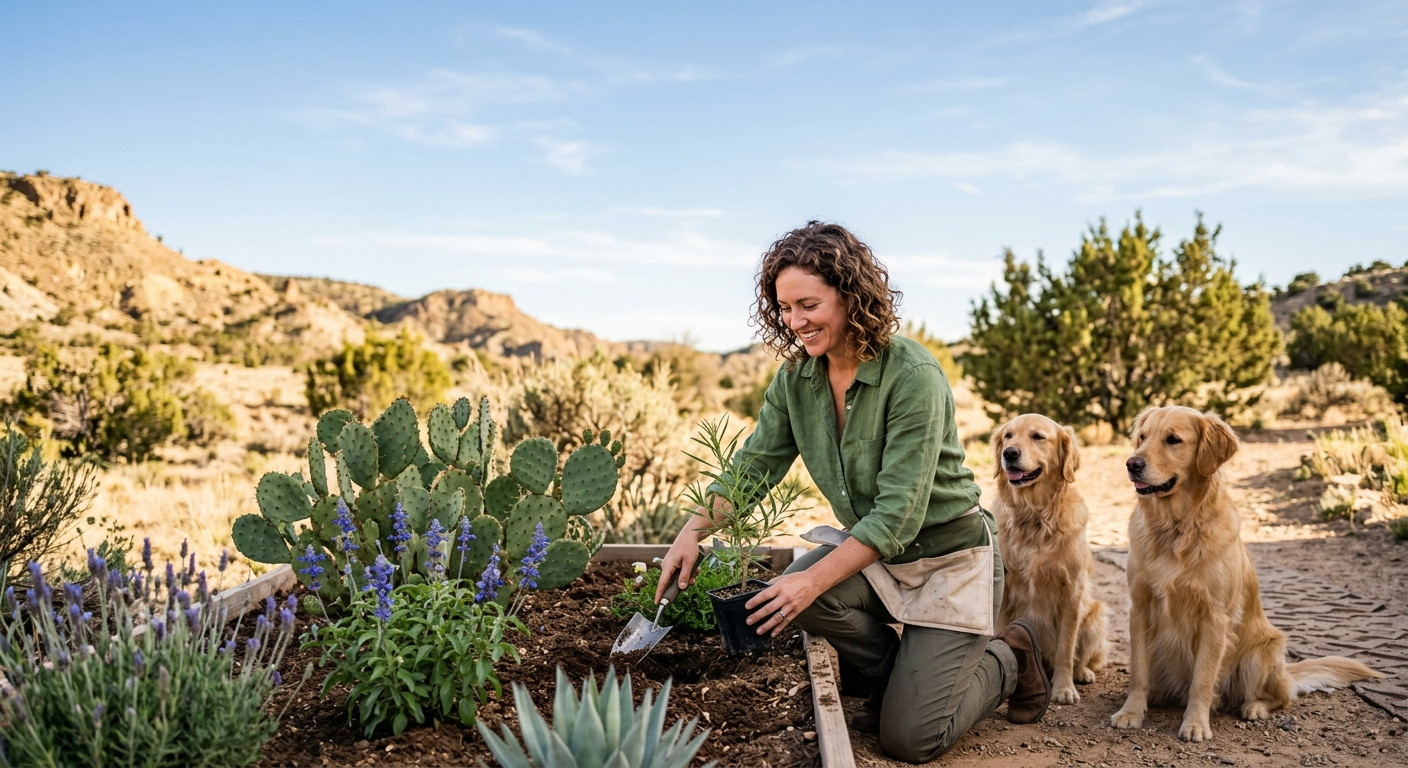
Top Choices: Yucca, Desert Salvia, Lavender, Agave, Prickly Pear Cactus, Chamisa, and Piñon Pine.
Bonus Benefit: Native plants require far less maintenance and naturally attract local pollinators like hummingbirds and native bees.
2. Water Deeply, Not Frequently
Lightly sprinkling your plants every day only dampens the top layer of soil. In high-desert conditions, that water evaporates in minutes and encourages shallow, weak roots.
The Right Technique: Water deeply so moisture soaks far down into the earth. This prompts roots to grow deeper where the soil stays cool.
Timing Matters: Water early in the morning or later in the evening to minimize evaporation caused by the midday heat and intense UV rays.
3. Enrich the Local Soil
Soil in New Mexico tends to lean heavily toward two extremes: sandy soil that loses moisture instantly, or dense, alkaline clay (caliche/adobe) that turns rock-hard when dry.
The Solution: Mix generous amounts of organic compost or aged manure into your planting beds.
The Result: Organic matter helps loosen hard clay while improving water retention in sandy soils.
4. Harness the Power of Mulch
Mulch is your single best line of defense against soil moisture loss. Adding a 2- to 4-inch layer of organic mulch (wood chips, bark, or straw) or inorganic mulch (gravel or river rock) around your plants will:
Shield root systems from extreme heat.
Reduce soil water evaporation by up to 50%.
Suppress unwanted weeds that compete for moisture.
5. Provide Protection from Wind and Intense Sun
Spring gusts and intense summer sun can dehydrate even hardy desert plants before they have a chance to establish strong roots.
Pro Tip: Plant delicate species near walls, fences, or larger shrubbery to act as natural windbreaks.
Shade Cloths: Use temporary shade cloth for young plants during their first summer to prevent scorching during peak afternoon hours.
Final Thoughts
Gardening in New Mexico doesn't have to be a struggle—it’s an opportunity to embrace the unique beauty of high-desert landscaping (xeriscaping). By selecting the right plants and conserving moisture, you can enjoy a vibrant, sustainable garden year-round.
If you want to create a lush, resilient garden in the Land of Enchantment without wasting water or energy, here are five essential strategies to help your plants thrive.
1. Embrace Native and Adapted Plants
The easiest way to build a flourishing garden is to work with nature rather than against it. Native species are already evolutionary masters at enduring high temperatures, dry soil, and water scarcity.
Top Choices: Yucca, Desert Salvia, Lavender, Agave, Prickly Pear Cactus, Chamisa, and Piñon Pine.
Bonus Benefit: Native plants require far less maintenance and naturally attract local pollinators like hummingbirds and native bees.
2. Water Deeply, Not Frequently
Lightly sprinkling your plants every day only dampens the top layer of soil. In high-desert conditions, that water evaporates in minutes and encourages shallow, weak roots.
The Right Technique: Water deeply so moisture soaks far down into the earth. This prompts roots to grow deeper where the soil stays cool.
Timing Matters: Water early in the morning or later in the evening to minimize evaporation caused by the midday heat and intense UV rays.
3. Enrich the Local Soil
Soil in New Mexico tends to lean heavily toward two extremes: sandy soil that loses moisture instantly, or dense, alkaline clay (caliche/adobe) that turns rock-hard when dry.
The Solution: Mix generous amounts of organic compost or aged manure into your planting beds.
The Result: Organic matter helps loosen hard clay while improving water retention in sandy soils.
4. Harness the Power of Mulch
Mulch is your single best line of defense against soil moisture loss. Adding a 2- to 4-inch layer of organic mulch (wood chips, bark, or straw) or inorganic mulch (gravel or river rock) around your plants will:
Shield root systems from extreme heat.
Reduce soil water evaporation by up to 50%.
Suppress unwanted weeds that compete for moisture.
5. Provide Protection from Wind and Intense Sun
Spring gusts and intense summer sun can dehydrate even hardy desert plants before they have a chance to establish strong roots.
Pro Tip: Plant delicate species near walls, fences, or larger shrubbery to act as natural windbreaks.
Shade Cloths: Use temporary shade cloth for young plants during their first summer to prevent scorching during peak afternoon hours.
Final Thoughts
Gardening in New Mexico doesn't have to be a struggle—it’s an opportunity to embrace the unique beauty of high-desert landscaping (xeriscaping). By selecting the right plants and conserving moisture, you can enjoy a vibrant, sustainable garden year-round.
Category:
Landscaping
0 Comments
There are no comments on this article yet. Be the first to comment!
Leave a Reply
Your email address will not be published. Required fields are marked *